Why San Diego Home Builder Delivers Modern Home Designs
Home Remodeling Made Easy: A In-Depth Guide for Property Owners
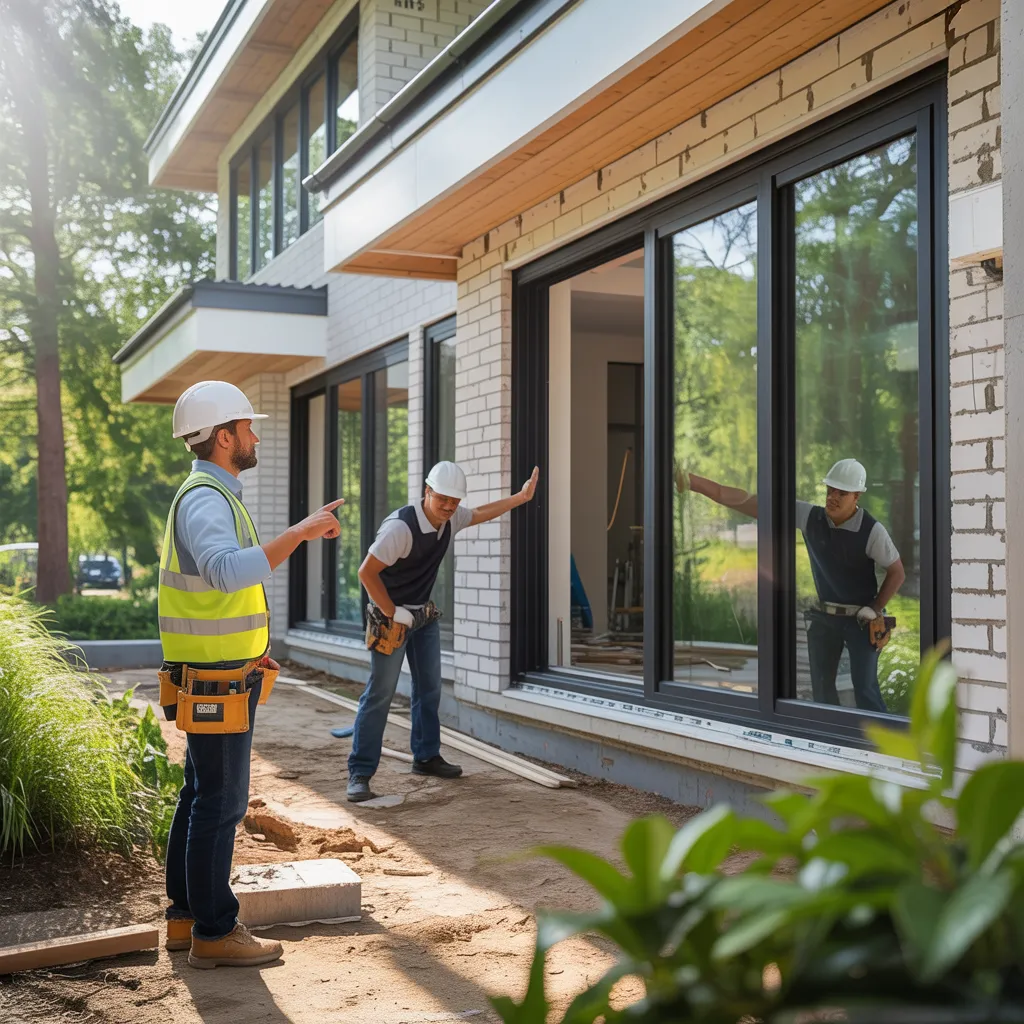
Home remodeling can be an intimidating task for many property owners. Understanding one's requirements and establishing realistic goals is vital. An structured approach can make the process easier and more effective. This guide offers helpful insights into budgeting, design, and selecting the right materials. Homeowners may find themselves considering the best methods for maneuvering these challenges. What essential steps should they evaluate to guarantee a successful update of their homes?
Analyzing Your Necessities and Aspirations
When evaluating their objectives and aspirations for home renovation, homeowners often wonder where to start. The first step includes a comprehensive assessment of their existing home conditions and desired outcomes. Homeowners should consider particular spaces that require improvement, such as aging kitchen spaces, limited storage capacity, or inadequate living space. Recognizing these problems can help rank projects based on importance and need.
Furthermore, property owners should reflect on their future objectives. Are they looking to improve comfort, increase property value, or develop a more functional space for family events? Recognizing these objectives will guide the renovation process and ensure that the final outcome matches their goals.
Moreover, gathering feedback from family members can be valuable, as diverse viewpoints may identify extra needs or preferences. By dedicating effort to evaluate their requirements and objectives, homeowners can establish a solid base for a thriving renovation experience.
Developing a Attainable Budget
Establishing a realistic budget is vital for a effective renovation project. Homeowners should commence by determining project costs, accounting for materials, labor, and creative components. Additionally, reserving contingency funds can aid address unexpected expenses that may emerge during the renovation process.
Estimate Project Expenses
A solid grasp of remodeling expenses is crucial for homeowners embarking on a remodeling journey. To accurately estimate expenses, they should consider factors such as materials, labor, permits, and potential unforeseen issues. Investigating local market rates for materials and engaging professionals can offer a clearer budget overview. Homeowners should also account for the size and complexity of the project, as these components considerably influence expenses. Developing a comprehensive inventory of required materials and services will help in compiling quotes. It is advisable to obtain several estimates from contractors to guarantee favorable rates. By setting a clear estimate that aligns with their monetary resources and renovation objectives, homeowners can establish a practical spending plan, eventually resulting in a more seamless remodeling experience.
Set aside contingency resources
Calculating construction expenses establishes the foundation for sound budgeting, but homeowners must also take into account unforeseen costs that may emerge during a renovation undertaking. A common recommendation is to allocate a reserve fund, usually spanning from 10% to 20% of the total budget. This assignment functions as a monetary cushion, enabling homeowners to handle unexpected problems such as foundation work or cost escalations without disrupting the entire project. By preparing for these possible expenses in advance, property owners can exercise better management over their money and reduce stress throughout the renovation timeline. Ultimately, a well-prepared budget that includes contingency funds improves the probability of a prosperous and gratifying renovation experience.
Planning Your Area
How can homeowners competently create their locale to display their own flair while maximizing operational value? To reach this aim, they should begin by inspecting their specifications and living patterns. Understanding how each room will be engaged guides the overall layout and passage. Homeowners might think about forming regions for diverse functions, ensuring that high-traffic areas prove open and accessible.
Adding elements that demonstrate distinctive taste, such as color schemes, furniture styles, and decorative accents, allows for a singular voice without diminishing practicality. Additionally, integrating multifunctional furniture can enhance space efficiency, especially in confined areas.
Natural light represents another significant consideration; opening up windows or strategically using mirrors can generate a more welcoming feeling. Finally, homeowners must evaluate balance and size, ensuring that furniture coordinate with the space's size while upholding a organized look. Through integrating careful planning with visual appeal, property owners can establish a unified home environment adapted to their inclinations.

Deciding on Materials and Finishes options
When picking materials and surface treatments, property owners should prioritize both aesthetic quality and strength to ensure their choices withstand the test of time. The selection process begins with understanding the desired style of the space, as different materials can create distinct atmospheres. For instance, wood can produce warmth, while sleek metals may give a modern edge.
Homeowners should also give consideration to the care needs of each substance. Some coatings may require more care than others, influencing long-term pleasure. Additionally, spending limits are important; picking quality yet reasonably priced options can produce lasting value.
Sustainability is growing increasingly crucial, prompting many to choose green materials that decrease environmental impact. Finally, homeowners should assemble samples to visualize how chosen materials will interact with lighting and existing elements in the space. This hands-on approach aids in making informed decisions that align with both personal style and practical needs.
Enlisting the Best Professionals
Homeowners should carefully assess the qualifications and experience of professionals hired for home renovation to ensure superior workmanship. Additionally, reviewing price quotes across various service providers aids in making informed financial decisions. Finding the right expertise through these essential steps is vital for a prosperous renovation project.
Evaluating Qualifications and Experience
Choosing the suitable experts for a home renovation project requires meticulous consideration of their credentials and expertise. Homeowners should begin by confirming qualifications, ensuring that professionals have the required permits and certifications pertinent to the project. Furthermore, reviewing a portfolio of past work can offer insight into a professional's style and level of craftsmanship. It is also beneficial to request testimonials from previous clients to assess satisfaction and dependability. Experience in particular kinds of renovation, such as kitchen or bathroom remodels, can be vital; experts often have the advanced abilities needed for complex tasks. Ultimately, a comprehensive evaluation of credentials and experience will help homeowners choose professionals who can successfully implement their plan while adhering to professional standards.
Evaluating Price Quotations In an Effective Manner
Evaluating price quotes is an important step in the explore now hiring process for residential renovation projects. Homeowners should gather estimates from several contractors to guarantee a thorough comparison. Each estimate should detail labor, materials, and any additional fees, enabling an accurate side-by-side analysis. It is essential to assess not only the total cost but also the scope of work included in each estimate. Homeowners must be wary of markedly low bids, as they may indicate inadequate quality or hidden costs. Participating in conversations with contractors about their estimates can offer insights into their thought processes and openness. Ultimately, choosing a contractor should balance cost and the value of excellent craftsmanship, creating a prosperous renovation outcome.
Navigating the Remodeling Journey
Although the remodeling undertaking can seem intimidating, homeowners can navigate it well by adhering to several essential steps. At the outset, they should develop a focused vision of their project, defining desired outcomes and key features. Afterward, creating a realistic budget is necessary, keeping in mind materials, labor, and unpredictable expenses. Researching and engaging reputable contractors can make a significant difference; homeowners should request recommendations and look at reviews before making a decision.
Once a contractor is assigned, strong dialogue is crucial. Homeowners should discuss timelines, project scope, and any concerns upfront to avoid misunderstandings. During the remodeling phase, frequent touchpoints with the contractor will help guarantee that the project stays on track and adheres to the agreed-upon plan. Finally, being adaptable to changes, whether due to unexpected issues or new ideas, can improve the overall experience, leading to a successful and satisfying remodeling outcome.
What Duration Can You Foresee for a Typical Home Remodeling Project?
A typical home renovation undertaking generally takes anywhere from a few weeks to several months, depending on the scope of work, home dimensions, and any unforeseen challenges that may occur during the project.
Which Licenses Are Necessary for Home Renovation?
Remodeling of a home typically demands various permits, including building, electrical, plumbing, and zoning permits. The specific requirements depend on area ordinances and the project's scope, maintaining compliance with safety and construction standards during renovations.
What Are Best Approaches to Reduce Interruptions During Remodeling?
To minimize complications during construction, one should set up a well-defined timetable, confer with builders, designate designated work zones, and alert family members about plans. This organization assists maintain regular schedules and lowers anxiety throughout the work.
What Can I Do if I Surpass My Allocated Funds?
If a budget is overrun, he should examine the factors, concentrate on required changes, and explore potential cost-saving measures. Transparent communication with contractors and exploring different material options can also help realign finances with project goals.
What Steps Can I Take to Ensure Excellent Craftsmanship?
To ensure quality workmanship, one should investigate and hire reliable contractors, check references, review past projects, and establish clear communication regarding expectations, timelines, and materials. Regularly monitoring progress also helps maintain high standards throughout the project.